Insect Farming: Safety, Sustainability, and Future Perspectives. Interview with Prof. Laura Gasco
Today, we speak with Professor Laura Gasco from the University of Turin, a leading expert in utilising insects as animal feed. With a background in agricultural engineering and over a decade of research in insect-based nutrition for poultry and fish, Gasco also chairs the EAAP Insect Commission. Her work highlights the potential of insects as a sustainable, efficient, and nutritionally rich source of protein.
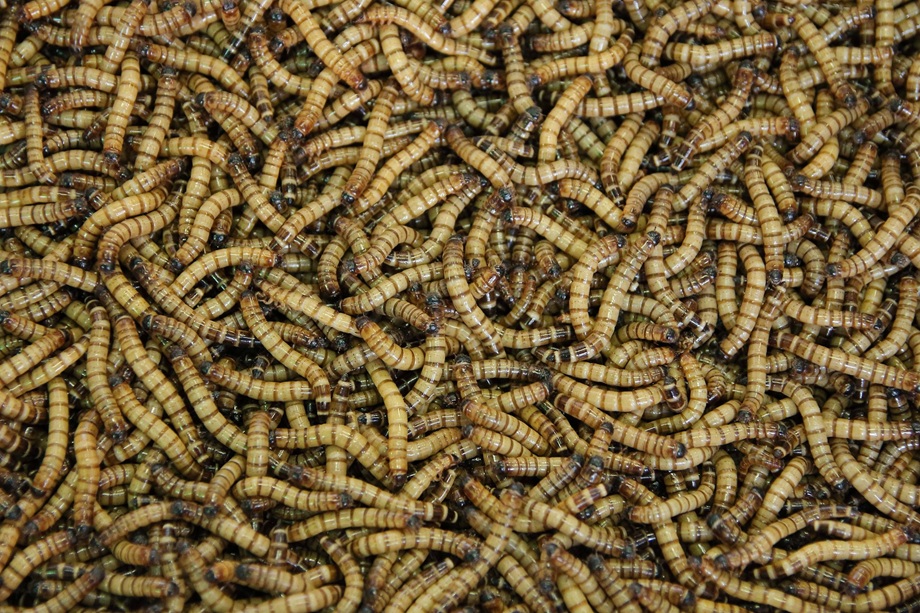
The most promising species — black soldier fly, yellow mealworm, and housefly — are already authorised in Europe. Insects offer high-quality proteins, fats, vitamins, and minerals, often comparable to those found in soy. They also align with natural animal diets: fish and poultry naturally consume insects, and live larvae can even improve poultry welfare by encouraging foraging behaviours.
But insects aren’t just nutritious, says Laura Gasco, they’re also environmentally valuable. Species like the black soldier fly can convert organic waste into proteins and fats, making them powerful bioconverters within circular farming systems. Their production requires less land as farming is done vertically, saving space and resources.
Still, Gasco emphasises that insects aren’t meant to replace animal feed, but rather to complement existing protein sources. This approach is more culturally accepted, has clearer regulations, and better suits current market conditions. Most producers today focus on feed for poultry, pigs, and fish, where insect protein is easily integrated nutritionally. However, scaling up production remains a challenge, requiring major investments to meet future demand.
Food safety is a central concern. EU regulations set strict limits on contaminants and prohibit the use of unsafe waste as insect feed. Species farmed in Europe are native and require warm indoor conditions, reducing environmental risks. Imported insect products must also meet EU standards.
A newer frontier is then insect welfare. With growing interest in ethical farming, researchers and producers are exploring welfare guidelines, including rearing density, temperature, and humane methods of killing. Different species and life stages have distinct needs, and no universal standards currently exist; however, efforts are underway to address these gaps.
Gasco notes that building a robust regulatory framework for traditional livestock took decades. Developing one for insects will require the same patience, commitment, and scientific rigour. The sector’s future is promising — but its success depends on responsible growth, supported by data, regulation, and cultural understanding.