WelFarmers project: EU experts united to improve pig welfare
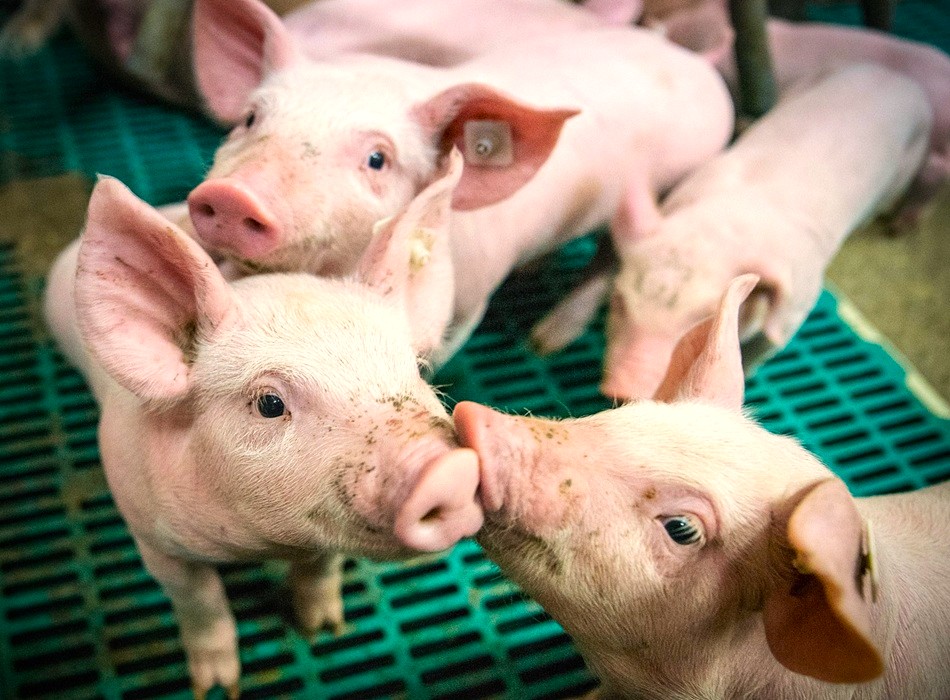
Animal welfare has become an increasingly important priority, alongside environmental and economic sustainability, among the main challenges facing today’s agricultural and livestock sectors. From this awareness comes WelFarmers, a European project funded by the Horizon Europe programme, designed to bring together experts from across the European Union with a shared goal: to improve pig welfare and guide the sector towards a more ethical and sustainable future.
WelFarmers involves farmers, advisors, veterinarians and researchers from eight European countries, working together to identify, share and promote the most effective farming practices. The idea behind the project is simple yet ambitious: to create a collaborative network between those who work with animals every day and those engaged in research, so that they can jointly tackle the challenges posed by the new European regulations on pig welfare.
Regulations often collide with the practical realities of daily farm work
Although important objectives drive these regulations, they often collide with the practical realities of daily farm work. WelFarmers therefore focuses on the most relevant and debated issues in the sector: phasing out cages, promoting the rearing of pigs with intact tails, reducing or eliminating pain during castration, and ensuring animals have sufficient space to express their natural behaviours. Through the exchange of real-world experience and knowledge, the project aims to identify practical, sustainable solutions that improve animal welfare without compromising farm productivity, fostering a more responsible model of livestock farming that works in harmony with the environment.
The European Union is currently developing new regulations to respond to both consumer demands, increasingly attentive to animal welfare, and scientific evidence showing the benefits of farming systems that better respect animals’ natural needs. Among the most sensitive issues is the lactation period of sows, a phase that requires balancing the mother’s well-being with the safety of the piglets. Farrowing crates, in fact, help prevent piglets from being crushed, but at the same time limit the sow’s freedom of movement, creating a clear conflict with the concept of animal welfare. For this reason, farmers across Europe are working hard to improve sow housing conditions, even though the transition to free-farrowing systems requires technical knowledge, dialogue, and practical solutions tailored to each farm’s context.
A similar discussion concerns tail docking, a practice traditionally used to prevent pigs from biting each other and causing wounds or infections. Today, however, there is growing interest in rearing pigs with intact tails, an approach that requires better management of space, nutrition, and environmental enrichment. Castration is another major topic in the European debate, with the aim of minimising pain and promoting methods that are more respectful of animal welfare. The new EU regulations move in this direction, but to be truly effective, they must actively involve farmers themselves.
Improving pigs’ quality of life without compromising quality or profitability
Only those who work on farms every day understand the challenges and variables of this profession. Their active participation is therefore essential to identify realistic, sustainable and applicable solutions that ensure both animal welfare and the economic stability of farms. Farmers are already making great efforts to improve the living conditions of their animals, experimenting with new solutions and management practices that better respect their natural needs.
One of the most important aspects is providing pigs with enough space and suitable flooring, factors that are essential not only for their well-being but also for achieving better production results. When pigs have sufficient space, they can express natural behaviours such as rooting, socialising, exploring their surroundings, or finding a comfortable place to rest. All of this contributes to their physical and mental health, while also promoting more harmonious and safer farm management. However, determining how much space is truly adequate is not simple. Many factors come into play, including breed, size, environmental conditions, and management practices. Each farm has its own characteristics, meaning there is no single formula.
The WelFarmers project was created to support this process of innovation, helping the sector identify the main challenges and opportunities linked to current pig farming practices. The initiative promotes a European model that is more respectful of both animals and the environment by collecting and comparing real-life experiences from different countries. The goal is to validate the most effective and sustainable solutions, capable of improving pigs’ quality of life without compromising product quality or farm profitability. All results are compiled into technical reports and outreach materials to provide farmers with practical, accessible tools that can be easily applied.
Not only technicalities: a network of people
Beyond technical aspects, WelFarmers also analyses the economic and environmental impact of the most promising innovations, to demonstrate that improved animal welfare can go hand in hand with both sustainability and business competitiveness. The project is based on a clear conviction: animal welfare cannot be considered in isolation; it must be an integral part of a more balanced and responsible production system. In each participating country, WelFarmers will establish a Regional Network to bring together farmers and their organisations to identify and select the most innovative practices related to the project’s four main themes.
At the same time, Thematic Groups will be created for each topic, gathering farmers, researchers, advisors, and representatives from institutions and the agri-food sector. These groups will analyse the best practices emerging from the regional networks, assess their effectiveness, and identify the most promising ones for transfer and application in other European farms.
WelFarmers is therefore much more than a research project: it is a network of people, experiences, and knowledge working together to build a more responsible and sustainable European livestock model. Each shared good practice represents a step forward towards a fairer food system, where animal welfare, environmental protection, and farm profitability coexist. At the heart of the project are industry professionals, recognised as the true drivers of change. To broaden its impact, WelFarmers will collaborate with EIP-AGRI Operational Groups, as well as other European research projects focused on pig welfare.
This synergy will help create a stronger, more coordinated network, capable of enhancing and disseminating results across Europe. The most effective practices will be shared through a wide range of communication and outreach activities, aiming to reach as many farmers as possible in the eight participating countries and beyond. In this way, WelFarmers will help build a future in which pig welfare is not just an ambition, but a shared reality born from the collaboration between those working every day in the field and those generating new knowledge to improve it.