Europe wants more plant protein. But who will feed the animals?
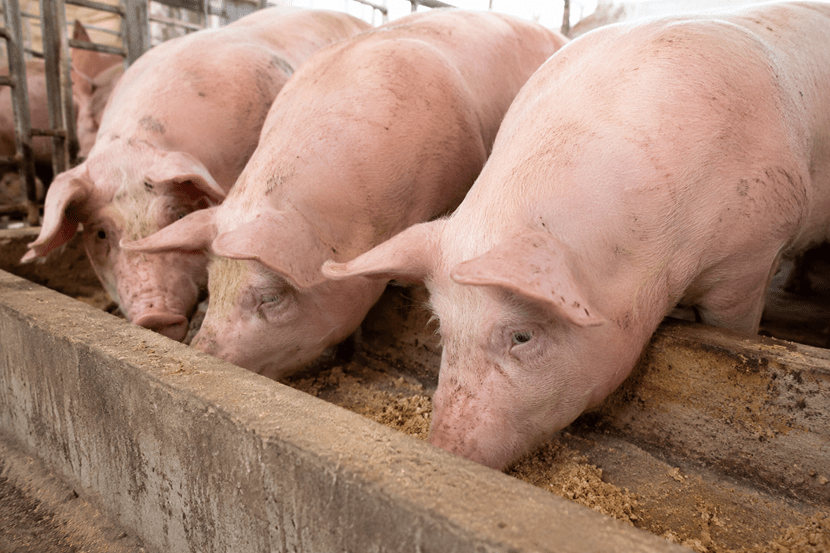
The European Commission’s Protein Action Plan seeks to boost domestic protein production and reduce import dependence. The challenge isn’t simply replacing animal protein with plant protein, but building a more integrated, resilient system that relies less on external supplies.
When Europe talks about increasing plant protein production, the focus naturally turns to more legumes on our plates and a smaller role for animal protein. But the Protein Action Plan, adopted by the European Commission on 7 July 2026, takes a broader approach: strengthening the resilience, strategic autonomy and sustainability of Europe’s protein system while reducing dependence on imports.
The figures show why animal feed is integral to this strategy. The EU produces around 67 million tonnes of plant protein, compared with overall use of around 80 million tonnes for feed, food and industrial purposes. The livestock sector uses around 74 million tonnes of protein every year. In contrast, around 70% of the crude protein from cereals, oilseeds and pulses produced and consumed in the EU goes to animal feed. The question, therefore, is not only how much plant protein Europe can produce, but how it can circulate within the agri-food system without weakening a key sector such as livestock farming.
The protein that ends up in the feed trough
In 2025, only around 25.8% of the protein from oilseeds and protein crops used for animal feed was produced in the EU. The Protein Action Plan aims to raise this share to 35% by 2035. The figure highlights one of the main vulnerabilities of European livestock farming: a significant share of the protein needed for animal feed still depends on production outside the EU.
Soy is the clearest example. In 2024–25, the EU imported around 13.4 million tonnes of crude protein as soybeans and soy meal, mainly from Brazil, Argentina and the United States. Global production is also highly concentrated: six countries account for around 90% of world production. For European livestock farming, therefore, the issue is not only the quantity of protein available, but also the security and diversification of supply sources.
The aim is not to replace soy with a single crop, but to broaden the range of available resources: peas, fava beans, lupins, soy, alfalfa and other pulses and oilseeds can all contribute, to varying degrees depending on local conditions, to the protein base of animal feed. The EU is already broadly self-sufficient in forage, while dependence on imports is greater for high-protein feed materials. Increasing European production therefore also means giving farmers more opportunities to source from a diversified supply chain, reducing exposure to shocks in global markets. This does not mean producing everything in Europe or eliminating imports, but avoiding excessive dependence on a small number of crops and countries for an essential part of animal feed supplies.
When crops and livestock meet
The issue is not simply producing more plant protein, but understanding how to use it within the same agricultural system. Oilseeds are a concrete example: their processing produces oils for food or other uses and, at the same time, protein-rich meals and press cakes that can be used in animal feed. Part of the crop can therefore support different value chains, including livestock farming.
The same logic applies to many co-products from agriculture and the food industry, which can become feed ingredients. It also applies further upstream, in the fields: legumes can be included in crop rotations, contribute to soil fertility and provide protein, while meadows and pastures can feed ruminants. Here, livestock farming goes beyond simply consuming feed: ruminants can convert biomass that is not directly digestible or edible for humans, such as grass and fibrous forage, into nutritionally valuable foods such as milk and meat. Under certain conditions, livestock can therefore make use of resources that would otherwise have much more limited value as food.
This is where EU’s protein strategy takes on a broader dimension. Strengthening domestic production does not simply mean increasing the quantity of a particular crop, but building value chains that make better use of the different components of production and connect crops, processing and livestock farming more effectively. The question, therefore, is not whether protein should be plant-based or animal-based, but how different forms of production can work together to use available resources better and reduce dependence on external supplies.
A protein system also needs livestock
This connection is also reflected in the Commission’s decision to present the Protein Action Plan alongside the new EU Livestock Strategy. The two initiatives address different sides of the same challenge: strengthening the resilience of the European agri-food system and reducing strategic dependencies. The Commission’s latest Agricultural Outlook projects that overall EU demand for animal feed will fall by 2.5% by 2035 compared with the 2023–2025 average. This reduction will depend not only on changes in livestock production, but also on more efficient feed use: improvements in animal genetics and more targeted feeding systems can deliver the same levels of production with fewer inputs. The Commission therefore continues to view livestock farming as an important sector for food security and rural economies, but within a model focused on greater resource efficiency.
If part of the EU’s demand for meat, milk and other livestock products remains, the capacity to produce them within the Union continues to have strategic value. The point is to avoid reducing European production and simply shifting production, and the associated dependencies, outside the EU.
1. What is the EU Protein Action Plan?
It aims to increase European plant protein production and reduce dependence on imports.
2. Why does plant protein matter for livestock?
Much of Europe’s plant protein is used for animal feed.
3. Can Europe reduce its dependence on imported soy?
Yes, by diversifying protein sources and increasing domestic production.
4. Why are crops and livestock part of the same protein system?
They can complement each other, improving resource efficiency and protein security.