Sustainable agriculture: citizens and farmers are closer than they seem. What the European Project Tempo reveals
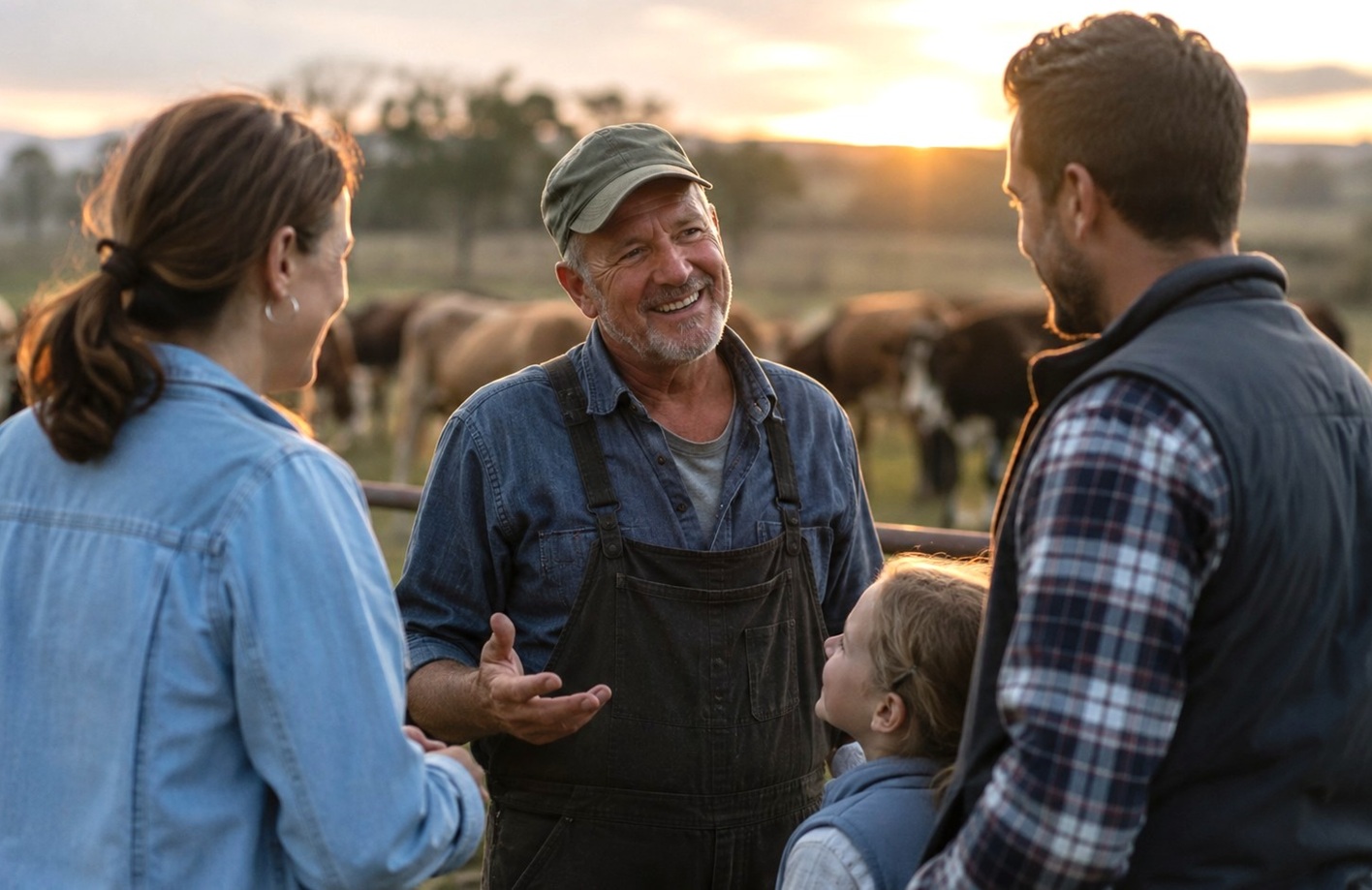
In recent years, the sustainability of agriculture has often been portrayed as a clash between environmental demands and production needs. On the one hand, European policies aim to accelerate the ecological transition; on the other, farmers are concerned about costs, competitiveness, and the future of their businesses. But is the divide really so clear-cut?
A different interpretation is suggested by the Project Tempo, a European initiative that, between 2025 and 2026, investigated the views of citizens and farmers in four countries, France, Ireland, the Netherlands, and Poland, to understand how the transition towards more sustainable agriculture is perceived. The findings reveal a less conflictual picture than what is often portrayed: citizens and producers share far more expectations than commonly assumed, while also highlighting some critical issues that European policies will need to address.
Sustainability: still an unclear concept for many citizens
One of the first findings concerns the perception of sustainability. Although the topic is now central to public debate, many citizens say they do not have a clear idea of what “sustainable agriculture” actually means in practice. The term is associated with positive values such as environmental protection, food quality, and animal welfare. However, there is often limited understanding of the agricultural and livestock practices that enable more sustainable production. This highlights the continued need for communication and scientific outreach to help consumers better understand the challenges facing the primary sector.
Trust goes to farmers
Among the most interesting findings is the issue of trust. In all four countries involved, farmers were considered more credible interlocutors than governments when discussing agricultural sustainability. This is significant because it shows that the direct relationship between producers and the public remains a major asset.
Despite public debates often characterised by opposing positions, consumers recognise farmers’ expertise and experience in land management and food production. For the agri-food sector, this represents an important resource that can foster a more constructive dialogue about the transformations needed to address environmental challenges.
Farmers do not reject the ecological transition
One of the clearest messages emerging from the Project Tempo concerns the position of the farming community itself. The farmers interviewed did not oppose the goals of the ecological transition. Rather, they asked for conditions that make the transition feasible. As entrepreneurs who plan investments over very long-time horizons, they are calling for more stable policies, coherent regulations, and greater predictability in European and national decision-making.
Regulatory uncertainty is, in fact, one of the main obstacles to investment planning. According to Dagmar Droogsma, Project Tempo’s Agriculture Lead and the report’s author, recent farmer protests should also be interpreted from this perspective: not as an ideological rejection of sustainability, but as a demand for a transition that is economically and organizationally achievable.
Sustainability has a cost and cannot fall solely on farms
The economic dimension is probably the central issue highlighted by the survey. Farmers believe that the investments required to make production more sustainable cannot be borne exclusively by agricultural businesses. Surprisingly, this position also enjoys broad public support. Respondents believe the transition costs should be shared across the entire agri-food chain.
Food processors, retailers, institutions, and consumers are all expected to contribute, each in their own way, to a transformation that concerns the entire food system and not only those who produce raw materials. The message that emerges is clear: sustainability is a collective goal and, precisely for that reason, requires shared responsibility.
Consumers are willing to do their part
The research also provides an interesting indication regarding consumer behaviour. A significant share of the citizens surveyed said they would be willing to pay a slightly higher price for food produced using more sustainable methods. However, this willingness depends on one crucial condition: certainty that the added value will actually benefit farmers rather than being absorbed by other stages of the supply chain. This finding underscores the importance of transparency in price formation for strengthening trust between producers and consumers.
An important indication for livestock farming as well
Although Project Tempo addresses agriculture as a whole, its conclusions are particularly relevant for the livestock sector. Livestock farms face challenges similar to those confronting the wider agricultural sector: investing to improve environmental sustainability, responding to societal expectations, and maintaining economic competitiveness. The fact that citizens and farmers share the view that the costs of the transition should be distributed more fairly is especially significant.
The Project Tempo paints a less polarised picture of the relationship between society and agriculture than that often presented by mass media and in public debates. Citizens do not appear to be opposed to farmers; on the contrary, they recognise their role and understand many of the difficulties associated with the ecological transition. Farmers, for their part, do not reject change, but ask that it be accompanied by economic tools and policies that make it genuinely sustainable.
This message may also offer an important insight into the future of European livestock farming. Meeting sustainability challenges certainly means innovating and improving production systems, but it also means building a shared path in which institutions, businesses, retailers, and consumers all participate in transforming the agri-food system. The research suggests that the real starting point is not conflict, but collaboration. And this is probably where the next phase of European agricultural and livestock policies will also need to begin.