Not Just Meat: Animals as Allies of the Environment and Rural Communities. Interview with Dr. Isabel Casasús
In this episode of the ELV/EAAP interview series, we speak with Dr.Isabel Casasús, a renowned animal science researcher from Spain, specialising in beef cattle. She works at the Agri-Food Research Centre of Aragón, served as President of EAAP until 2024, and is now Vice President of the Animal Task Force—a European network promoting sustainable and competitive livestock systems.
Beyond her research, Casasús is a strong advocate for science communication, working closely with universities, farmers, and technicians to make knowledge in animal production more accessible and understandable. One of the central questions she addresses is often misrepresented in public debate: what is the real environmental impact of livestock farming?
According to Casasús, livestock is essential not only for food but also for a wide range of services, including ecosystem management and rural livelihoods. When well managed, livestock contributes to biodiversity, soil fertility, and the sustainability of rural areas. The problem isn’t livestock itself, she stresses, but how it’s managed.
She emphasises the importance of a systems approach: it’s not about “meat or no meat”, but about production practices, impacts, and context. In a world facing climate stress and conflict, local and resilient food systems are strategic. Livestock farming also plays a critical social role, especially in rural regions, where it supports communities, generates income, promotes mental well-being, and contributes to the fabric of agricultural life.
Casasús also challenges simplistic distinctions between intensive and extensive systems. In Europe, production models are diverse and often complementary to one another. Many systems combine pasture-based early life phases with more intensive fattening phases. What matters is not the label, but the outcomes in terms of animal welfare, environmental impact, and food quality.
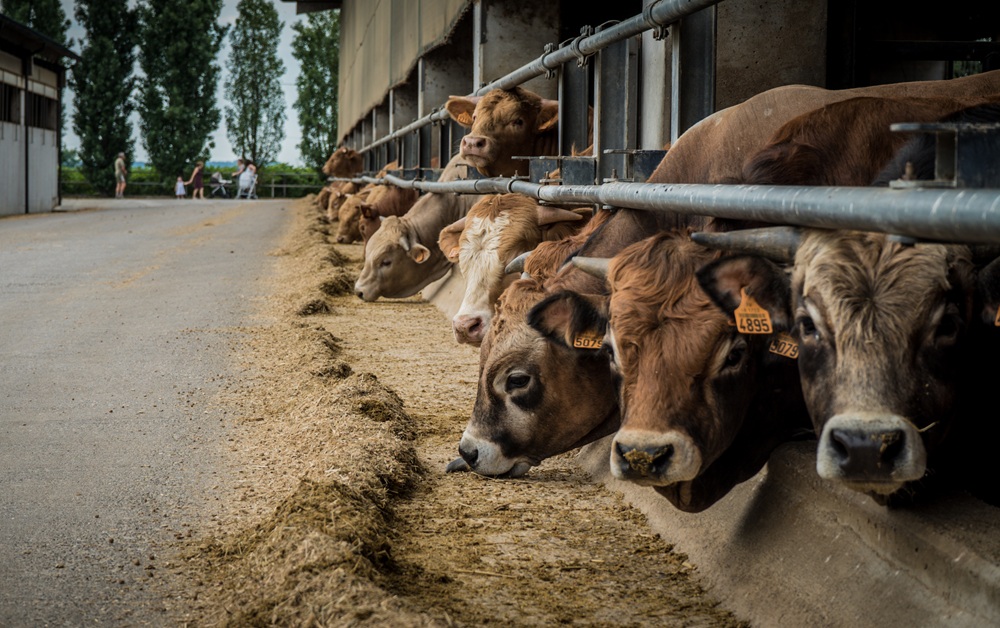
A key topic in the discussion is circularity. In more intensive systems, livestock can upcycle agro-industrial byproducts into food, reduce waste, and return nutrients to the soil through manure — supporting crop-livestock integration. This model is particularly relevant in regions with limited arable land, like parts of Southern Europe.
Can such mixed models work elsewhere? Casasús believes there’s no universal solution. Europe’s diversity — in geography, climate, culture, and breeds — is a strength, and local systems must be valued and adapted. In depopulated areas, especially in Spain, livestock often provides the last line of economic and environmental stability, maintaining landscapes, biodiversity, and traditional ecosystems.
She warns against the myth of beneficial land abandonment: plant-based diets also require land, and without grazing animals, we risk soil erosion, fertility loss, biodiversity loss, and increased wildfire risk. Grazing helps maintain open landscapes, supports wildlife, and closes nutrient cycles. Removing livestock would not necessarily mean environmental recovery — quite the opposite in many regions.
Casasús concludes with a key point: animal welfare is the foundation of sustainable livestock. All systems can be improved, but abandoning animal farming altogether would risk losing not only nutritious food but also valuable ecological, cultural, and social contributions. The real challenge is not to eliminate livestock, but to farm better—and smarter.