Free the Horses or Understand Them Better? The Animal Welfare Dilemma – Interview with Dr Rhys Evans
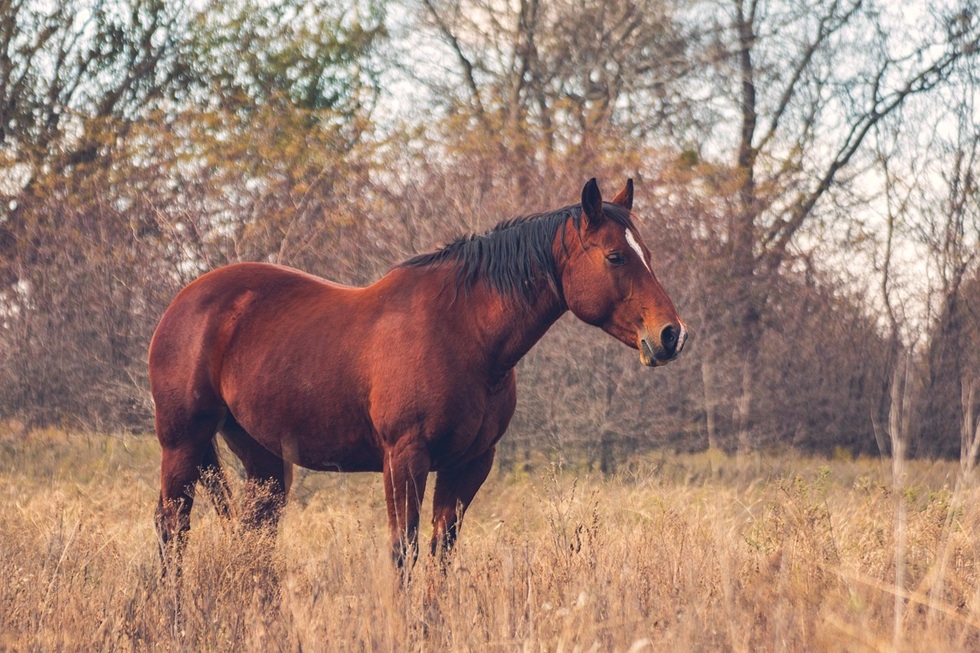
The European Livestock Voice interview series with the European Federation of Animal Science continues with Dr Rhys Evans, a Canadian-born expert in human–horse relations who recently retired from academia in Norway but remains active as a consultant. As a former Chair of the Horse Commission within EAAP, Evans champions the scientific study of human–horse interaction since 2007, insisting that his field is not merely “horses” per se, but rather the evolving relationship between humans and horses.
This relationship, he notes, defies clear categories. Horses are neither purely companion animals nor livestock — they are both. “You don’t bring a horse into your kitchen,” he quips, “yet the bond can be profoundly intimate.” Quoting Churchill and Xenophon, Evans reflects on the deep emotional and symbolic role horses have played across history.
Today, horses are bred for sport, therapy, tourism, leisure, and in fewer cases, food. Scientifically, this means they fall under the same animal science disciplines applied to other livestock, with research spanning genetics, health, and welfare. However, in a society that increasingly humanises animals, Evans questions whether we risk losing our perspective. Are we projecting too much onto animals to fulfil our emotional needs?
He emphasises that human–horse relations have never been static; they shift with societal values. Some still eat horse meat, others reject even riding. These tensions reflect broader debates on anthropocentrism and anthropomorphism. For example, growing numbers believe horses should never be ridden, valuing them solely for their existence and the relationship they share with humans.
Meanwhile, pigs and chickens become household pets, and in big cities, there are now more couples with cats and dogs than with children — a shift partly fueled by climate anxiety and falling birth rates. Evans warns that such redefinitions can unintentionally harm animals. Activist calls to “liberate” domestic species, while well-meaning, overlook biological and historical realities.
Horses, for instance, are a human-made species. Their numbers in Europe collapsed by 90% between 1921 and 1971 as industrial uses declined. Today, horses are born mostly out of personal desire, not necessity. Abandoning them to “freedom,” as it was experienced during the 2008 U.S. crisis, often leads to suffering — they lack survival skills and are not accepted by feral herds.
He stresses the importance of ethograms — species-specific behavioural patterns — in understanding animals on their terms. Many ethograms for horses have been developed in artificial settings and often overlook key aspects. That’s why current research focuses on feral populations to uncover more natural behaviour. The same applies to dogs: Is it fair to raise a Border Collie in an apartment, deprived of work and stimulation?
Ultimately, Evans argues, caring for animals means understanding what they are, not what we want them to be. Horses today recall soy and stalls, not the wild grasslands of the past. We can’t undo domestication — but we can, and must, take responsibility for the lives we’ve shaped.