Animal Reproduction and Sustainability: What We Can Learn from Shepherds 5,000 Years Ago. Interview with Prof. Philippe Chemineau
In this interview hosted by ELV and EAAP, Professor Philippe Chemineau, a French agronomist, former EAAP president, and member of the French Academy of Agriculture, shares insights from his decades-long career in animal reproduction.
Chemineau spent nearly 50 years at INRA (now INRAE), holding leadership roles in research and governance. His work has focused primarily on sheep and goats, emphasising how reproduction underpins all livestock production: no milk or meat without births. Techniques like artificial insemination have enabled significant genetic improvement.
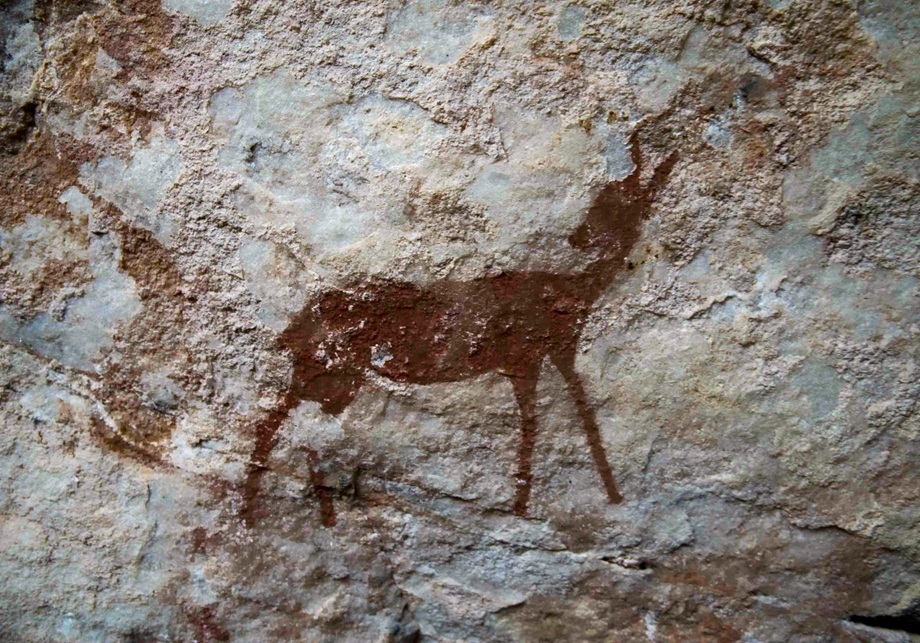
A striking topic in this chat is Chemineau’s collaboration with archaeologists and palaeontologists at CNRS to explore whether Neolithic herders practised out-of-season breeding. Oxygen isotope analysis of ancient teeth suggests that, even 5,000 years ago, Mediterranean farmers were manipulating breeding cycles to align births with autumn rains and forage availability — an early example of livestock adaptation to environmental conditions.
Chemineau emphasises how this ancient knowledge laid the foundation for modern livestock management. In today’s debates about sustainability, he argues, history should not be overlooked: many so-called innovations have deep roots.
Chemineau’s work on melatonin and light’s effect on seasonal reproduction is also very interesting. In temperate regions, sheep and goats stop reproducing during long summer days. His lab helped identify melatonin as the key hormone triggered by darkness. It developed tools to manipulate reproductive cycles using controlled light or melatonin — a standard practice in the industry today.
Though melatonin’s role in animal welfare is still under study, its use today primarily focuses on boosting production. Chemineau also addresses the ethical and environmental concerns around hormonal synchronisation, which is still widely used across Europe. His team is working on alternatives, such as using natural progesterone derived from walnut extracts or stimulating ovulation through the timed introduction of males. Early research is promising, although it is ongoing.
A common misconception must be clarified: the hormones used are not growth promoters, but naturally occurring substances, such as progesterone, used solely to regulate reproduction. Artificial light, too, has become a widely adopted, hormone-free method, particularly in goat farms.
In closing, Chemineau emphasises the fundamental importance of reproduction in livestock systems — and the significant history, science, and innovation that underpin practices often misunderstood by the general public. He hopes that more people will recognise this complexity and engage with the topic more deeply. And we surely do the same.