Complexity and nuances in evaluating land use by livestock and crops
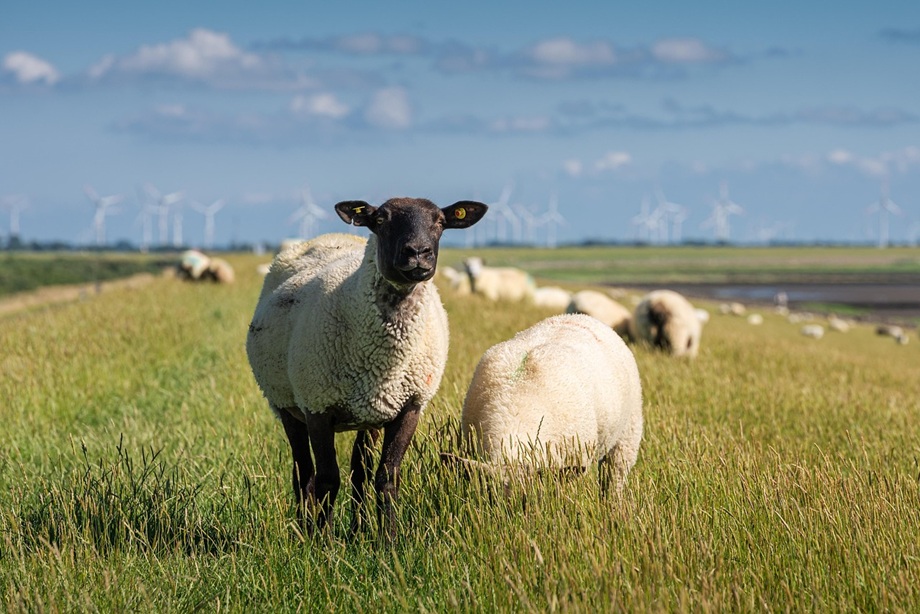
Livestock can occupy large areas of land, but its environmental impact is often oversimplified. Well-managed grazing systems can enhance biodiversity and replicate the ecological roles of wild herbivores. Human interaction with ecosystems predates farming, as hunter-gatherer societies have historically shaped landscapes. Although crops now dominate, livestock remains closely linked to agriculture. Conservation strategies like “land sparing”, which aim to separate nature from agriculture, often ignore ecosystem complexity. In contrast, “land sharing” advocates for lower-intensity farming that can sustain biodiversity and food production. Research shows that managed grazing can benefit ecosystems, especially in areas where large herbivores have historically been present; however, grazing can be detrimental in sensitive environments like islands.
The sustainability of different livestock systems
Livestock systems vary widely. To properly evaluate livestock sustainability, we need frameworks focused on ecological outcomes rather than just feed type or productivity. A more refined classification includes extensive grazing systems, where animals graze natural vegetation in mobile or sedentary setups. These systems can mimic the ecological effects of extinct megafauna, maintain open landscapes, and use minimal synthetic inputs, reducing fossil fuel dependence. Though they produce methane, much of it may be part of natural cycles. Regenerative grazing represents a modern adaptation of this model, maximising sustainability by minimising external inputs.
Another type is intensive farming, which is reliant on the territory, where animals are housed but fed with crops grown on-site. These systems store feed seasonally, recycle manure, and increasingly incorporate renewable energy or traditional practices. While they lack the ecological diversity benefits of grazing systems, practices like hay cutting can support some biodiversity.
Methane emissions remain a concern; however, with fully local feed, emissions may more closely mirror natural ecosystem processes. These systems are generally more productive, using high-performance breeds and energy-rich feed. Simplified metrics that focus only on product weight, ignoring economic value, can distort analyses of sustainability drivers across food systems. Similarly, tree plantations are often incorrectly seen as a sustainable land use. While some evaluations overlook negative impacts, such as soil carbon loss or albedo changes, silvopastoral systems offer a more balanced option, providing both carbon storage and food production.
Improved pastures and CAFOs
In addition to extensive and intensive livestock systems, improved pastures and Confined Animal Feeding Operations (CAFOs) have become widespread, each presenting unique sustainability challenges. Improved pastures, made productive through mineral fertilisers enabled by the Haber-Bosch process, have increased fodder output, as seen in Britain, where herbivore biomass has tripled. However, they rely heavily on external inputs, such as nitrogen, phosphorus, and potassium, which can lead to reduced biodiversity and increased pollution risks due to nutrient runoff. CAFOs, which emerged with industrial advances, confine animals in densely packed spaces and rely on imported feed and fertilisers. These systems are economically centralised, often reducing farmer autonomy, and emit large amounts of greenhouse gases due to waste handling and enteric fermentation. In practice, many regions combine extensive grazing with feedlot finishing, potentially enhancing nutrient recycling and reducing input dependency; however, sustainable outcomes require context-specific management.
Land-use impact assessments often misinterpret data
Land-use impact assessments often misinterpret data, particularly when co-product economics are overlooked. For example, soybean land expansion is often attributed to livestock because soybean cake is used as feed and comprises 81% of the bean mass. However, soybean oil, used for human consumption, is far more valuable per kilogram, meaning both uses contribute equally to land use change.
Agroecological livestock systems, whether intensive or extensive, can offer environmental benefits. Ecological grazing helps regenerate soil, maintain biodiversity, and reduce the need for cropland by recycling residues. This is especially relevant in the context of reducing reliance on fossil-fuel-based fertilisers. Proper manure management in circular systems supports this shift.
Livestock-driven land use change is complex and requires nuanced analysis
Grazing impacts vary by context. Regenerative grazing supports carbon storage and biodiversity, but low-productivity lands can degrade under sedentary management. New tools offer new ways to evaluate the multifaceted role of livestock. Misguided assumptions, such as the universal benefit of converting grazing land to forest, underlie the concept of “carbon opportunity cost,” yet they overlook the fact that many grazed landscapes are natural open ecosystems, including savannas, wetlands, and temperate parklands,that evolved with fire and herbivory are not meant to be forests.
These ecosystems, such as the Pantanal or Llanos, store more carbon in soils than in aboveground biomass, which is fire-prone and temporary. Yet land use models often omit this, leading to flawed afforestation policies in places like Denmark and the UK. These models also overlook the emissions from wild herbivores after livestock abandonment, the use of co-products, and the soil carbon gains resulting from good grazing practices. Furthermore, carbon offset plantations may worsen climate impacts through albedo effects and wildfire risks.
Forest restoration is only ecologically appropriate in certain mid-productivity ecosystems with low herbivory histories, like those found on islands, and should utilise native species. Novel approaches, such as using emus as surrogate models of agriculture (MOA) in New Zealand or applying silvopastoral systems, can increase resilience, productivity, and soil carbon. Brazil’s Carbon Neutral Beef initiative exemplifies how integrated systems can offset emissions and add value to the industry.
In conclusion, livestock-driven land use change is complex and requires ecologically informed, nuanced analysis. Overly simplistic models risk flawed policy. Integrating ecological science and updated knowledge on open ecosystems is essential for just and effective land governance.