Collaborative Innovation in the Ruminant Livestock Sector for Sustainable Human Nutrition and Environmental Improvement
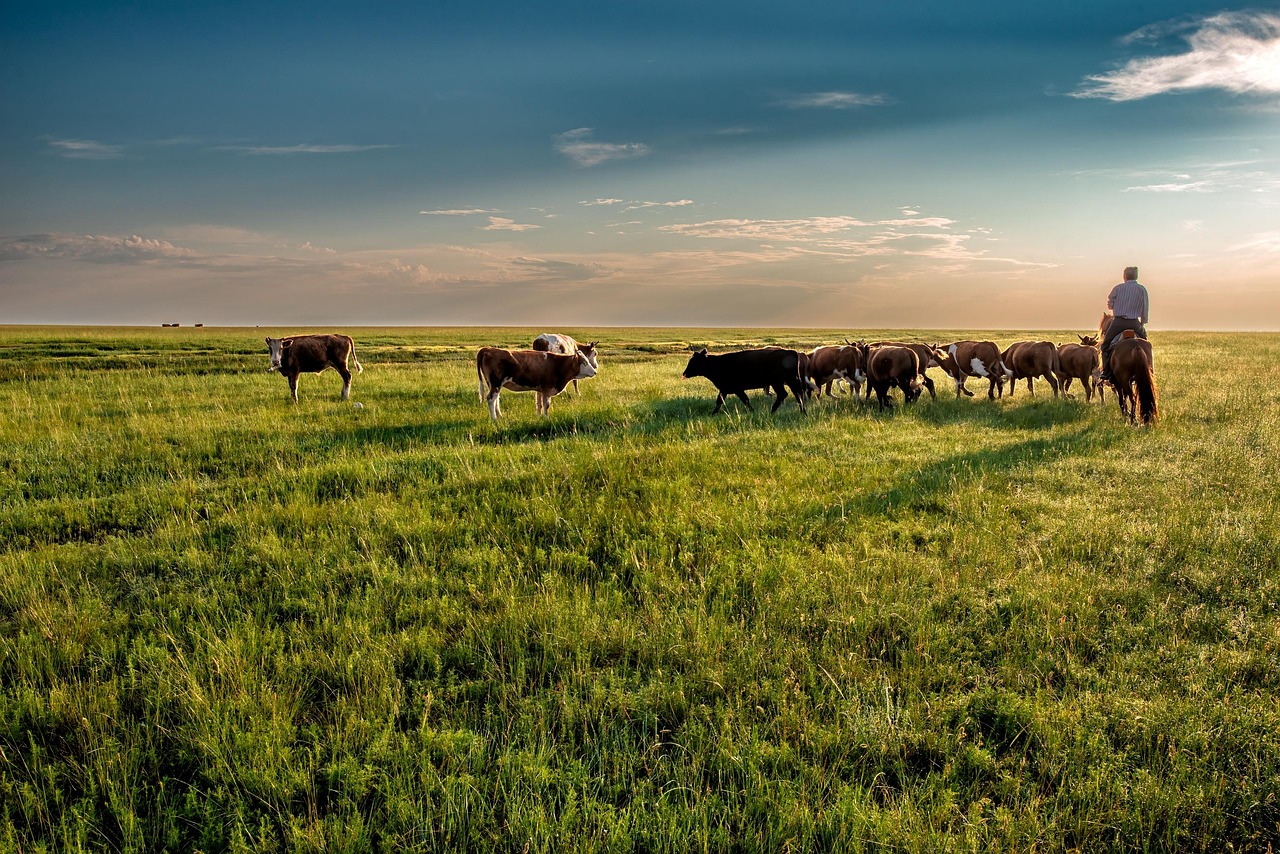
Well-managed systems like adaptive grazing and silvopasture improve soil health, biodiversity, and water retention, while helping to reduce greenhouse gas (GHG) emissions according to a recently published scientific paper. Although livestock contributes 12–14.5% of global GHG emissions, ruminant grazing, if properly managed, can offset part of these through soil and vegetation carbon sequestration, known as “flux fixation”. Livestock emissions reductions are essential to achieving both the climate goals of the Paris Agreement and global food security.
Regenerative grazing, based on agroecological principles, enhances soil quality, ecosystem services, and farm resilience. It supports the circular economy by converting inedible biomass into nutrient-rich protein, helping reduce environmental impacts. Due to current technological and market limitations of alternative proteins, ruminants remain a key part of sustainable food systems, offering ecological integration and efficient biomass utilisation. However, grazing approaches must be tailored to local environments and socioeconomic conditions.
Ruminant livestock farmers and industry are leading innovation to deliver human nutrition and improved environmental outcomes through sector lifecycle collaboration: a review of case studies
The article reviews adaptive grazing using scientific literature and commercial examples, focusing on land use efficiency, carbon dynamics, soil and animal productivity, and socioeconomic outcomes. It shows how adaptive grazing, combined with strategic feed supplementation, can support climate mitigation and nutritional security. Intensive systems, such as feedlots, also play a role by improving feed efficiency and manure management, further reducing emissions. Global ecoregions differ greatly. Deserts and shrublands (19.8 million km²) are better suited to nomadic grazing due to heat and low rainfall, while temperate grasslands (9 million km²) can support both grazing and cropping. Non-arable lands require ecological strategies to remain productive, especially in countries that cannot achieve food self-sufficiency.
Livestock systems are vital for food security by upcycling 20–60% of inedible food system biomass, grasses and by-products into nutrient-rich food to humans, producing protein while enriching soil and biodiversity. They can provide 7–30g of digestible protein per capita per day using low-quality feed. The study compares adaptive grazing with continuous grazing. Adaptive grazing, also known as rotational, holistic, or mob grazing, adjusts grazing intensity based on pasture conditions, improving soil fertility, carbon storage, and water retention. Silvopasture (integrating trees and livestock) offers added benefits such as income diversification, microclimate regulation, and carbon sequestration.
The Environmental Benefits of Well-managed Grazing, Silvopasture, and Intensive Feedlots
Case studies from Northern Ireland, Australia, and elsewhere show that well-managed grazing improves biodiversity, resilience, productivity, and ecosystem health, though outcomes depend on local soil, climate, and land conditions. In climate-challenged areas, grazing is integrated with cropping, planted pastures, or supplementary feeding. Seasonal barn feeding with conserved forage or non-edible by-products supports sustainability. Manure reuse reduces fertiliser needs, as confirmed by long-term studies.
Methane capture from dairy lagoons can eliminate emissions and produce renewable energy. Intensive feedlots improve meat production efficiency and lower emissions when manure is well managed, with feed additives and stress reduction cutting methane emissions by 12–40%. Localised nutrient recycling, especially through feedlot waste, enhances sustainability. Lifecycle analyses guide improvements in complex livestock systems. Grazing integrated with cropping can turn cropland from a carbon source to a sink, but overemphasising carbon can risk losses due to soil disturbance.
Soil organic carbon is dynamic; degraded soils respond well to restoration, while high-soil organic carbon lands have limited additional gains. Plant species, soil type, and grazing management affect sequestration potential. Silvopasture is promising for carbon capture, livestock comfort, and productivity. High soil organic carbon benefits soil structure, water retention, and nutrient cycling, but varies by site. Thus, a holistic approach including biodiversity and ecosystem resilience is essential. Meat processing contributes to retailer Scope 3 emissions, prompting adoption of renewables and efficiency measures, with grid decarbonisation offering further cuts (up to 90%). Co-products add value and must be included in emissions accounting. Finally, livestock breeds and management must be adapted to local climates and diseases, for example, Nguni cattle in arid Africa, Holstein-Friesians in temperate zones, and Nelore in tropical Brazil, ensuring sustainable productivity through tailored veterinary care and housing.
Livestock production requires flexible, region-specific, and innovation-driven policies
Advanced livestock management, using genetic selection, ultrasound, and herd health programmes, enhances animal performance and sustainability by optimising feed use and reducing emissions and costs. Animal welfare is crucial beyond productivity, as stress during sensitive periods can harm outcomes. Sustainable practices require balancing grazing and housing systems while integrating welfare, productivity, and ecosystem resilience. Livestock systems also affect product quality and affordability: lower-income consumers often prefer grain-finished meat for cost and speed, whereas wealthier consumers pay premiums for welfare or pasture-based claims. Nutritional differences exist: pasture-fed beef is richer in omega-3s, CLA, vitamin E, and antioxidants but lower in fat; grain-fed beef may have more cholesterol-lowering fats, though research is ongoing. Furthermore, the recent focus on nutritional parameters in environmental studies may influence the emissions per nutritional unit, as opposed to per kilogramme of end-product.
Case studies from Ireland, Australia, and the U.S. show that livestock can enhance soil health and productivity when management is tailored locally to address soil fragility, seasonal feed availability, and grassland use. Life cycle assessments and data are essential for optimising complex systems. Feeding 10 billion people sustainably demands improving livestock efficiency throughout the lifecycle by using non-edible biomass and by-products, and by adapting to climate variability. Strategies like silvopasture and agroforestry provide carbon capture, biodiversity, and soil benefits. Still, they may need to be combined with intensive systems, to reduce emissions and improve feed efficiency. Ultimately, sustainable livestock production requires flexible, region-specific, and innovation-driven policies to meet global food demands while minimising environmental impact.